You’ll want to handle your leather jacket with care, starting with a quick check of the care label to confirm acceptable methods. You’ll blot stains gently with a soft cloth and a mild soap solution, testing in a hidden area first, then decide if hand washing is appropriate using cool water and a gentle detergent—avoiding soaking. After rinsing, you’ll blot out excess moisture and air-dry away from heat or sun, then apply a conditioner to preserve suppleness and deter future damage. There’s more to cover before you tackle the rest.
Preparing Your Jacket for Cleaning
Before you start cleaning, inspect your jacket thoroughly to identify fabrics, finishes, and any care labels. You’ll prepare by understanding material suitability and garment construction.
Start with identifying materials so you know which cleaners and methods won’t damage leather. Next, examine the exterior for surface features and the lining for compatibility.
Inspecting seams reveals how the jacket is assembled and where stress points may occur. Note any stitching, zippers, or hardware that could require special handling.
Create a plan based on findings, choosing appropriate tools, protective products, and ventilation. This proactive step minimizes risk and preserves finish and fit.
Spot Cleaning and Stain Removal Techniques
Spot cleaning a leather jacket requires careful, methodical care to avoid damaging the finish or color. You identify stains first, using stain identification techniques to determine makeup, ink, or oil sources.
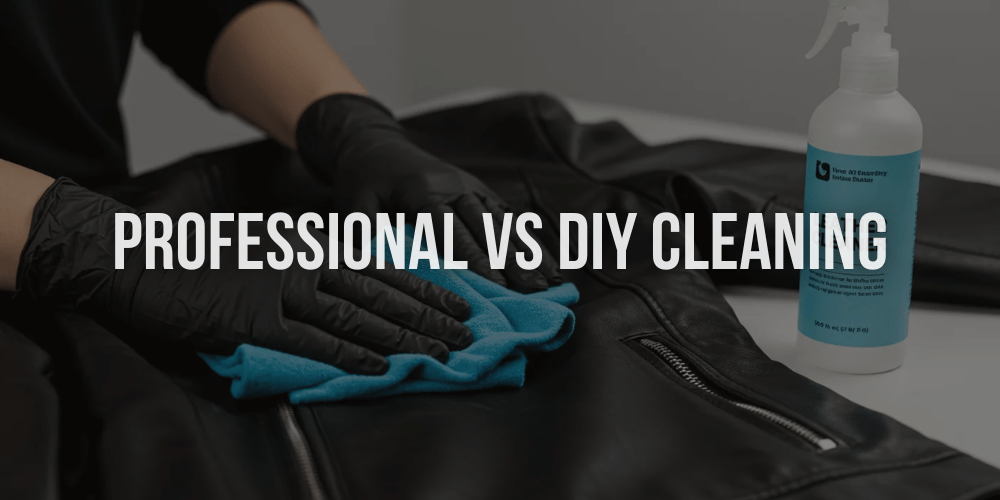
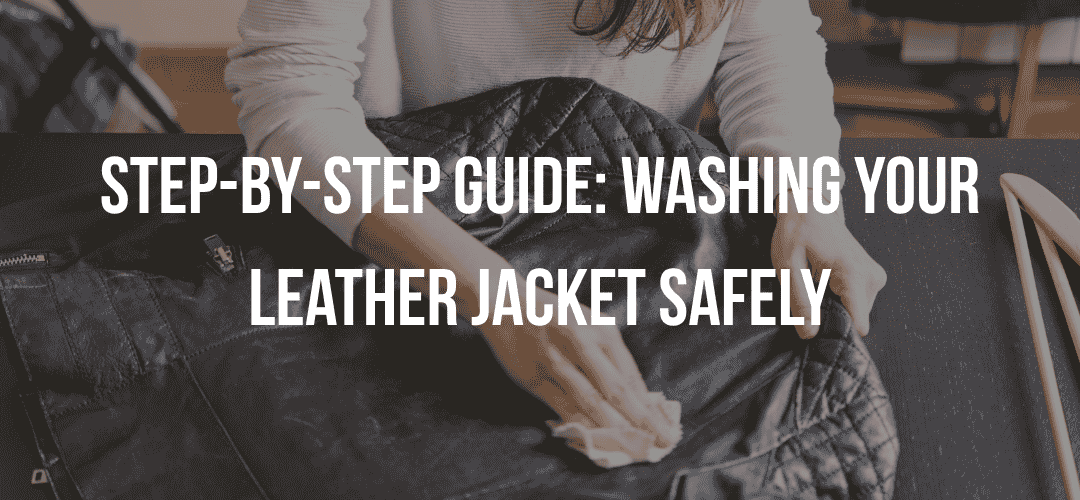
For minor marks, blot gently with a soft cloth and a prepared mixture of mild soap and water, testing on an inconspicuous area. Avoid harsh cleaners that can strip color.
When in doubt, follow cleaning product recommendations from reputable brands, applying sparingly. Don’t oversaturate leather; work waste-free, then let the surface air dry away from heat.
Document outcomes to refine future spot-cleaning steps and protect the jacket’s appearance.
Cleaning Methods: Hand Washing vs. Professional Cleaning Options
Hand washing is a feasible option for some leather jackets, but it isn’t universally recommended. This method requires careful preparation, gentle detergents, and precise water temperature to avoid stiffness or shrinkage.
You’ll need to test a hidden area first and avoid soaking leather, which can cause damage over time. If results are uncertain, professional cleaning offers expertise, specialized solvents, and controlled processes that minimize risk.
Consider jacket type, finish, and care label guidance when deciding between hand washing and professional cleaning. For delicate textures or dramatic stains, professional cleaning often yields more consistent results and preserves value.
Drying and Conditioning the Leather
After washing, drying and conditioning are the critical steps that prevent stiffness, cracking, and dullness in leather.
First, blot excess moisture with a clean towel, then air-dry away from direct heat or sunlight. Use a drying rack or hang the jacket on a broad-shouldered hanger to maintain shape.
Once dry, apply a small amount of conditioning products evenly, using circular motions to penetrate the grain. Let it absorb fully before wearing.
For best results, choose a product suited to your leather type and repeat periodically. Avoid over-saturation, which can weaken fibers and alter texture.
Maintenance Tips to Prevent Future Stains and Damage
To prevent future stains and damage, establish a routine that minimizes exposure to common threats and reinforces protective care. You’ll adopt preventive measures that extend your jacket’s life, from regular brushing to smart storage.
Apply a reputable leather care product seasonally, and test on an inconspicuous area first. Wipe surfaces after wear to remove oils, sweat, and pollutants, then reapply conditioner as recommended by the product.
Protect from direct sun and moisture, using a breathable garment bag when off the rack. Maintain consistent cleaning intervals, document treatments, and refine practices to sustain color, suppleness, and overall resilience.
Frequently Asked Questions
Can Leather Jackets Be Machine Washed Safely?
No, you shouldn’t machine wash leather jackets. Instead, hand wash or spot-clean and use leather care products. If unsure, consult a professional. Machine washing risks stains, stiffness, and damage to seams or finishes.
How Often Should Leather Jackets Be Cleaned?
You should clean leather jackets based on usage, typically every 6 to 12 months; more often if you wear them daily. Cleaning frequency depends on staining and exposure. Incorporate maintenance tips to extend life and appearance.
Will Cleaning Ruin Color or Finish?
Cleaning carefully won’t ruin color or finish. You’ll protect color preservation and finish protection by using proper leather cleaner, testing first, and conditioning gently, avoiding harsh soaps or excessive moisture that can fade or wear surfaces.
Are There Eco-Friendly Cleaning Options?
Yes, there are eco-friendly options. You’ll want natural solutions and organic cleaners, which are gentler on leather and the planet, and you’ll apply them sparingly, test first, then wipe clean to preserve color and finish.
Can All Leather Types Be Treated the Same?
No, you shouldn’t treat all leather types the same; different leather types require tailored care. For your leather care routine, consider material specifics, conditioners, and tests on hidden areas before full application to avoid damage.
Conclusion
You’ve learned how to clean your leather jacket safely and effectively. By following the label guidance, testing a hidden spot, and choosing the right method, you protect the leather’s finish and longevity. Remember to use cool water, gentle detergents, and minimal soaking, then blot excess moisture and air-dry away from heat. Finish with a conditioner to restore suppleness and seal out future stains. With proper care, your jacket stays looking polished for years, while maintenance prevents recurring damage.