new leather jacket can feel stiff at first, but you can break it in without sacrificing shape or durability. Start with short wear sessions to identify tight spots, then use gentle hand flexing and controlled temperature exposure to encourage natural molding. Regularly apply a light conditioner to bending areas and avoid overdoing it. Maintain a routine of careful cleaning and proper storage, and you’ll notice gradual comfort gains while preserving the jacket’s silhouette. The key steps set the foundation for a comfortable fit, so you’ll want to see how they unfold.
Preparing Your Leather Jacket for Break-In
Before you start breaking in a leather jacket, you should assess its condition and fit to plan a safe process.
You’ll begin by inspecting seams, zippers, and lining for damage, and noting stiffness that isn’t structural. Next, consider how the jacket drapes on your shoulders and sleeves.
When choosing size, ensure enough room for movement without excessive bulk. Assessing fit helps you target areas needing gentler treatment and break-in methods.
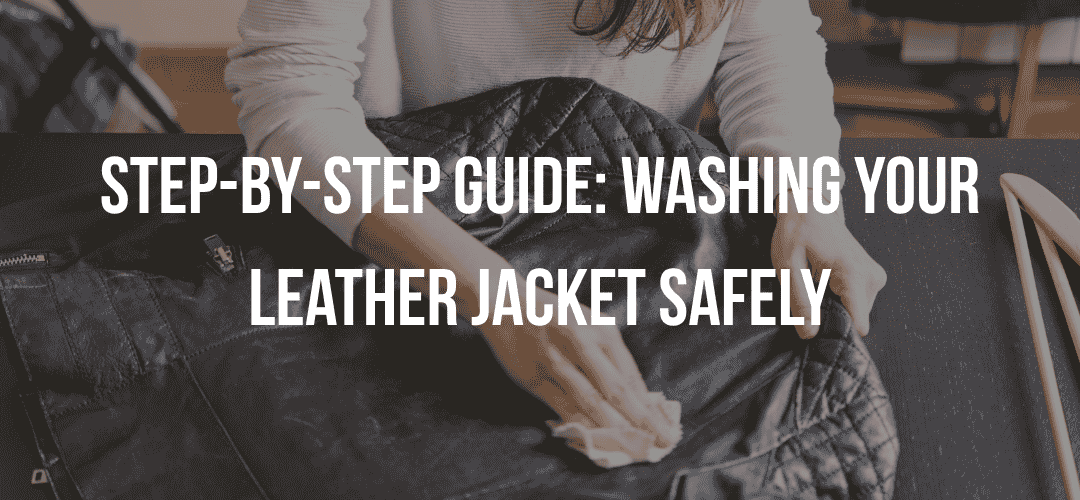
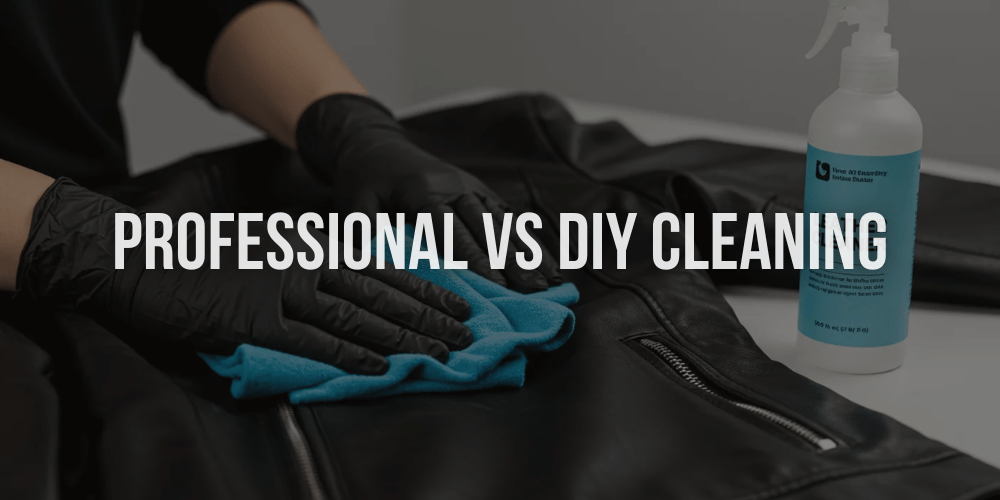
Clean surfaces lightly with a soft cloth, then apply a suitable leather conditioner to restore suppleness.
Document your observations and adjust plans if accessibility or comfort changes during preparation.
Safe and Effective Initial Wear Sessions
To begin safe and effective initial wear sessions, start with short, controlled trials that focus on comfort and range of motion rather than fashion statements.
You should wear the jacket for gradual exposure periods, then assess fit at the shoulders, elbows, and chest.
Keep sessions light, avoid forcing movements, and note any tight spots.
As you move, monitor breathing and posture, adjusting as needed.
Document any stiffness or pressure points and plan incremental increases in duration.
This approach builds confidence without overstressing seams.
Repeat regularly, building tolerance while preserving leather integrity for long-term comfort and consistent shape.
Initial wear supports sustainable break-in progress.
Techniques to Soften and Mold the Leather
Gently softening and molding leather starts with controlled methods that respect the fabric’s natural fibers and seams. You’ll work gradually, using light tension and appropriate techniques to avoid creases or overstretching.
Begin with hand-flexing across panels, then gently bend sleeves at the elbows to encourage natural drape. Incorporate softening methods like controlled temp exposure and minimal friction, avoiding harsh rubbing.
Use breathable, clean cloths to test pliability without staining. Throughout, prioritize leather care by maintaining even pressure and allowing rest periods between sessions.
This careful approach yields comfortable wear without compromising structure or integrity.
Conditioning, Care, and Maintenance During Break-In
During break-in, conditioning, care, and maintenance should be deliberate and consistent to preserve leather’s integrity while improving fit.
You should establish a routine that minimizes moisture fluctuations and abrasion. Use light, even coats of leather conditioning, focusing on areas that bend and flex most. Allow full absorption between applications, and avoid over-conditioning, which can soften the leather undesirably.
Store your jacket away from direct heat and sunlight, using a breathable garment bag. Regular cleaning with a soft cloth helps remove dust without dulling finish.
Practice proper care by inspecting seams and linings for wear, addressing issues promptly.
Longevity Tips for a Comfortable, Well-Fitting Jacket
A well-fitting jacket lasts longer and feels more comfortable when you tune it for longevity from the start.
Prioritize fit adjustments now to prevent premature wear, especially at shoulders, cuffs, and hem. Regularly inspect seams and linings for stress points, addressing these before they worsen.
Use a quality leather conditioner sparingly to maintain suppleness without compromising stitch integrity, and store the jacket on a broad hanger to preserve shape.
Durability factors include selecting appropriate hardware, avoiding extreme moisture, and conditioning after use.
Document adjustments and care routines; consistent maintenance reduces costs and prolongs performance while preserving a natural finish.
Frequently Asked Questions
Can I Speed up Break-In With Heat or Chemicals?
Yes, you can, but proceed carefully. You should avoid heat application or chemical treatments without professional guidance, because improper use can damage leather. Instead, test with patience and gentle conditioning, gradually loosening seams and draping the jacket for comfort.
Will Breaking in Alter the Jacket’s Color or Finish?
Yes, breaking in can cause color fading and finish changes over time. You’ll notice subtle shifts as wear develops, but proper conditioning helps minimize them while preserving the overall look. Keep expectations realistic and treat the jacket gently.
How Long Should a Break-In Session Last Weekly?
Short sessions each week work best; aim for 15–30 minutes per session. Do this weekly progress check, then adjust based on comfort. Keep sessions consistent, steady, and mindful to avoid over-stretching or damage.
Can Incompatible Fabrics Affect Leather During Break-In?
Yes, incompatible fabrics can affect leather during break-in, so mind fabric compatibility and avoid rubbing or trapping moisture. You should prioritize leather care, test small areas, and use breathable liners to protect the jacket while you soften and mold it.
Is It Okay to Sew or Alter While Breaking In?
Yes, you can sew or alter while breaking in. Use careful sewing techniques and light stitches, then test fit gradually. Follow alteration tips like reinforcing seams and avoiding heavy modifications that could stress the leather. Be patient and monitor tension.
Conclusion
You’ll finish your break-in with a jacket that fits like a second skin. By starting small, you’ve avoided overstressing seams and maintained shape, while regular conditioning keeps the leather pliant without drying. With careful wear, targeted hand-flexing, and mindful temperature exposure, stiffness gives way to comfort. Maintain routine cleaning and storage to preserve form, and reapply conditioner to any high-mriction areas as needed. When done, you’ll enjoy durable comfort and a timeless, well-fitting piece.