Caring for a top leather jacket isn’t optional—it’s essential. You’ll want to clean it regularly with a soft cloth and a mild cleaner to remove dust and stains, then condition every couple of months to keep the leather flexible and prevent cracking. Protect it with appropriate waterproofing, store it on a sturdy hanger in a cool, ventilated space away from direct sun, and treat stains promptly with safe solvents. Master these basics, and the jacket stays resilient, but there’s more to refine as you go.
Cleaning Your Leather Jacket: Basic Techniques and Tools
Cleaning a leather jacket starts with a simple, practical approach: identify the material and prep the surface before any cleaning.
You’ll begin with a quick inspection to spot potential stains and loose dirt, then remove dust using a soft, damp cloth.
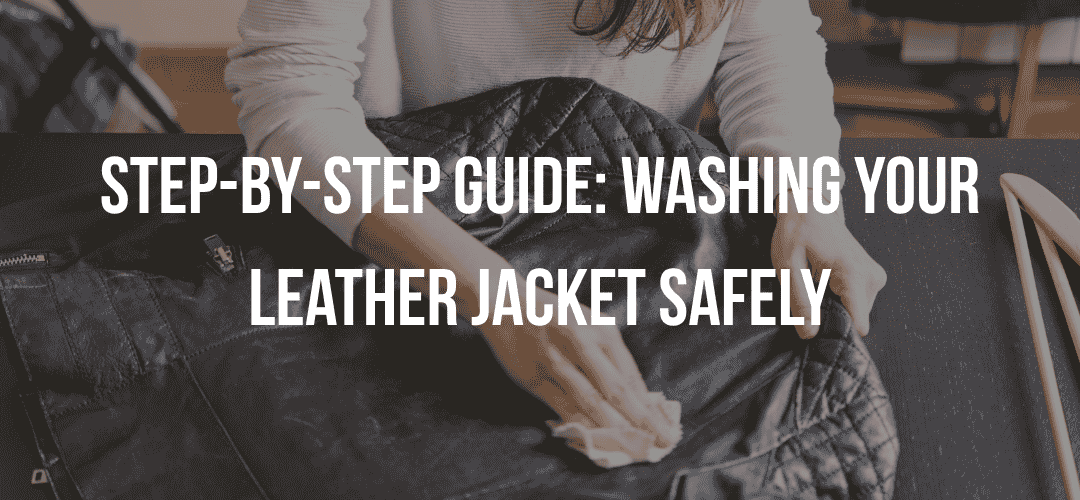
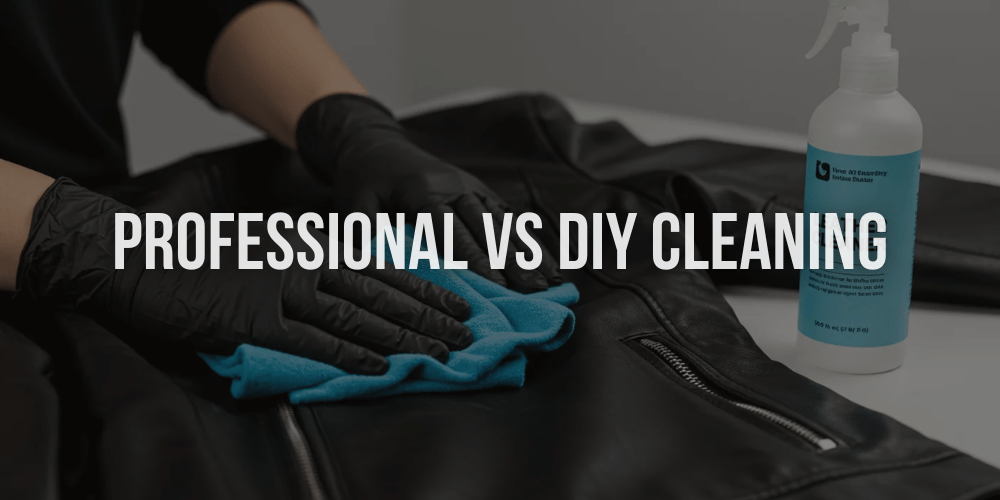
For spot cleaning, apply a mild leather cleaner to a microfiber pad and work in small circles, never saturating the leather.
Use leather brushes gently on textured areas to lift grime without scratching.
Dry with a clean towel and let the jacket air dry away from heat.
Avoid harsh chemicals, and test on a hidden area first.
Conditioning for Longevity: Oils, Balms, and Frequency
Leather conditioning builds on clean leather basics by restoring moisture and forming a protective layer. You choose oil types that suit your jacket’s finish and climate, avoiding harsh solvents.
Apply sparingly using a clean cloth, working in small circles to ensure even coverage. Let the product absorb before buffing lightly with a dry, soft pad.
Frequency matters: condition every 2–6 months for regular use, more often in dry or cold environments, less in humid seasons.
Balm application should follow oil treatment if your leather shows dryness or minor cracking, focusing on seams and edges.
Avoid over-conditioning to prevent residue buildup.
Waterproofing and Rain Protection for Different Leather Types
Waterproofing and rain protection vary by leather type, so you should choose methods that suit the jacket’s finish and weight.
For smooth leathers, use waterproof sprays designed for leather types and apply evenly after cleaning.
Nubuck and suede require specialized products that preserve nap without clogging pores, plus a light brushing after drying.
Always test on an inconspicuous area first and follow product directions.
Reapply after exposure to rain or salt, and humidity can degrade effectiveness over time.
Avoid silicone-heavy formulas on porous hides.
Proper protection reduces water absorption, helps prevent staining, and extends the jacket’s lifespan.
Stain Treatment: Immediate Steps and Safe Solvents
Stains demand prompt, controlled action to minimize damage and preserve finish. When a spill occurs, blot gently with a clean cloth—don’t rub, which can push the stain deeper.
Identify the leather type and test any cleaner on a hidden area first. Use only products labeled safe for leather and always follow label directions.
For most oils, a small amount of mild soap and water may suffice, then rinse with a damp cloth and air dry away from heat. Avoid harsh solvents; they can dry or crack the surface.
This supports stain prevention and safe cleaning without compromising texture or color.
Proper Storage: Hangers, Covers, and Temperature Considerations
To preserve the finish and shape of your jacket, choose appropriate storage and monitor conditions closely: use a sturdy hanger that supports the shoulders and prevents stretching, cover the garment with a breathable cloth or garment bag rather than plastic, and keep it in a space with stable temperature and humidity.
Choose appropriate hanger types that distribute weight evenly and avoid wire or thin hooks.
Opt for breathable cover materials to prevent moisture buildup, mold, and odor. Store in a climate-controlled closet away from direct sun and heat sources.
Regularly inspect seasonal jackets for signs of mildew, and refresh covers as needed to maintain long-term condition.
Daily Care Habits to Prevent Cracks and Stiffness
You can prevent cracks and stiffness by building a simple daily routine that protects the leather’s natural oils and flexibility.
Start by wiping your jacket with a clean, dry cloth after wear to remove sweat and dust.
Apply a conditioner sparingly, focusing on edges and seams, to maintain moisture balance without over-saturation.
Use a breathable garment rack or hanger to keep shape and avoid resting on pressed surfaces.
Track environmental exposure, limiting sudden temperature shifts that provoke dryness.
Practice moisture control by avoiding leather cleaners with harsh solvents.
Embrace flexibility enhancement through gradual movement, not forceful bending, to preserve suppleness.
Repair and Maintenance: When to Seek Professional Help
When routine care isn’t enough to address wear or damage, recognizing when to seek professional help can save your leather jacket from further deterioration.
You’ll know it’s time to consult if seams split, stitching loosens, or the finish shows deep cracking that won’t respond to home restoration. A professional can assess leather strength, salt stains, or water damage and recommend tailored repairs.
Techniques like stitching techniques must be precise to avoid puckering, while applications such as leather patches may be used for reinforcement.
Seek experienced technicians for color-matching, edge finishing, and long-term durability to preserve value and fit.
Frequently Asked Questions
How Often Should I Rotate Leather Jackets to Prevent Wear?
You should rotate your jackets every few weeks to prevent wear and tear. This jacket rotation helps balance use, reducing creases and wear on any single piece, promoting wear prevention and extending overall lifespan. Keep awareness of material differences, too.
Which Leather Types Require Conditioning Most Frequently?
You’ll need to condition aniline leather most frequently, since its porous surface soaks up oils quickly, while pigmented leather lasts longer and needs conditioning less often to stay supple and protected. Regular care keeps both looking and feeling great.
Do Scented Products Affect Leather Longevity or Dye?
Yes, scented products can affect leather longevity and dye; they may degrade finishes or alter color over time. To protect leather durability, avoid strong fragrances on clean surfaces, and opt for fragrance-free conditioners when conditioning.
Can I Use Home Hobbies Like Beeswax on Suede?
Beeswax on suede isn’t ideal; it can clog fibers. Instead, use suede-safe products. The beeswax benefits may offer a light barrier, but you risk stiffness and uneven texture. For suede protection, opt dedicated protectants.
How Do I Store Leather in High-Humidity Climates?
To store leather in high-humidity climates, you use humidity control and proper storage solutions, like breathable garment bags, silica gel packs, and evenly spaced velvet hangers. Keep away from heat, moisture, and direct sunlight to preserve flexibility.
Conclusion
By following these care practices, you’ll extend the life of your leather jacket and keep it looking sharp. Clean it regularly with a soft cloth and mild cleaner, then condition every few months to prevent drying. Protect against moisture with suitable waterproofing and store on a sturdy hanger in a climate-controlled space away from sun and heat. Address stains promptly, and seek professional help for repairs when needed. Consistent care yields durable, appearing-just-right leather over time.