If you’re investing in a leather jacket, you’re not just buying an item—you’re choosing a piece of wearable history, a timeless statement, and potentially, a lifelong companion. This buyer’s guide walks you through everything you need to confidently choose a Glovoora (or any brand’s) leather jacket that ticks every box: style, fit, and craftsmanship.
Why a Well-Chosen Leather Jacket Matters
- Timeless Appeal: Leather jackets have maintained their cool status since aviator styles of WWII and the iconic Perfecto worn by Marlon Brando.
- Durability You Can Feel: A quality full-grain leather jacket becomes more characterful and comfortable with age.
- Versatile Style: From badass bikers to refined blazers, leather jackets can be styled for a rocker vibe or elevated everyday wear.
Styles Decoded: Which Jacket Speaks to You?
Biker (Moto) Jacket
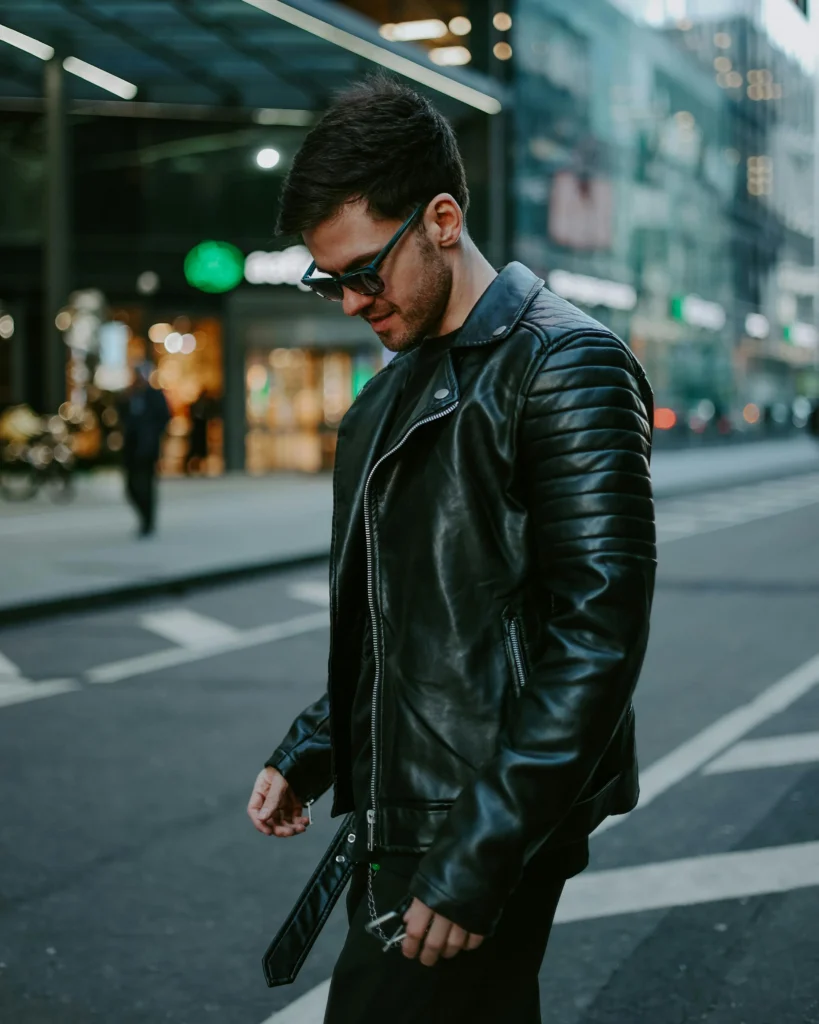
Recognizable by its asymmetric zipper, snap epaulets, and rebellious attitude. Always in style, it channels punk and motor culture like no other.
Racer Jacket
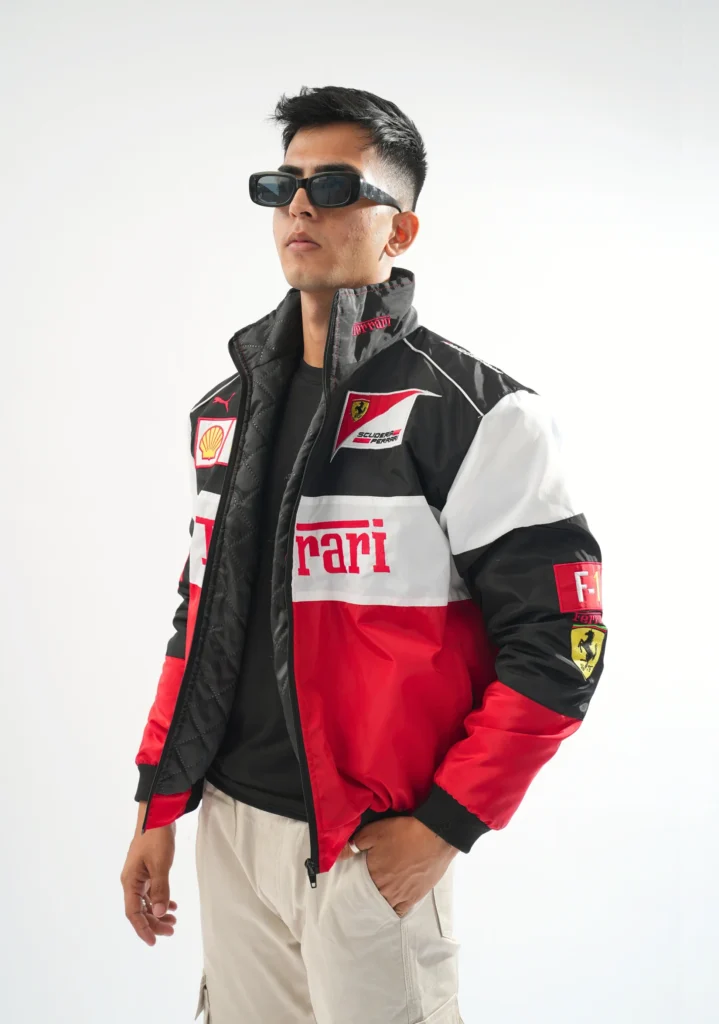
Clean, symmetrical with a minimalist edge—perfect for a sporty yet tailored look.
Bomber / Aviator Jacket
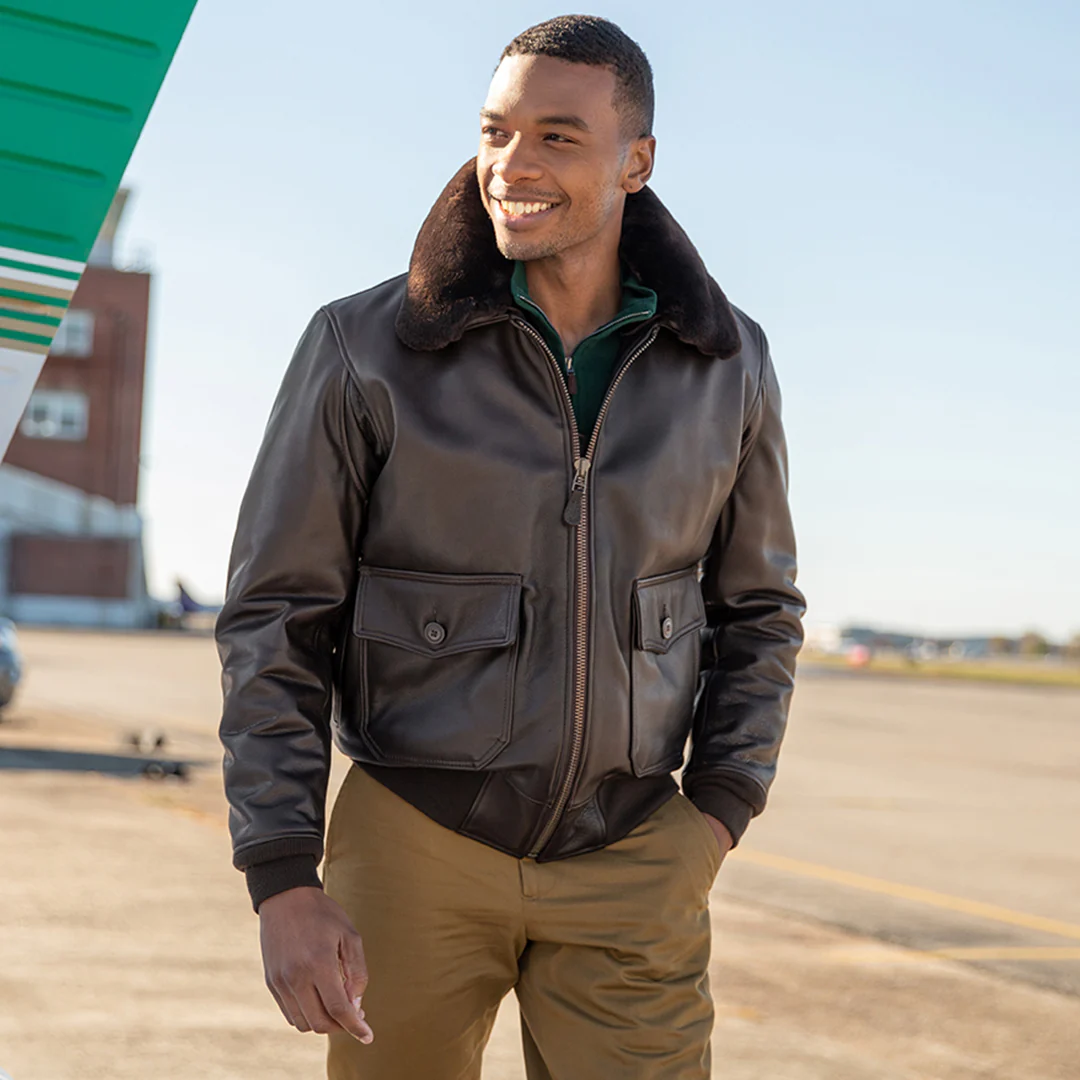
Relaxed fit, often lined with shearling for warmth—originally designed for pilots, now elevated streetwear.
Leather Blazer / Trench
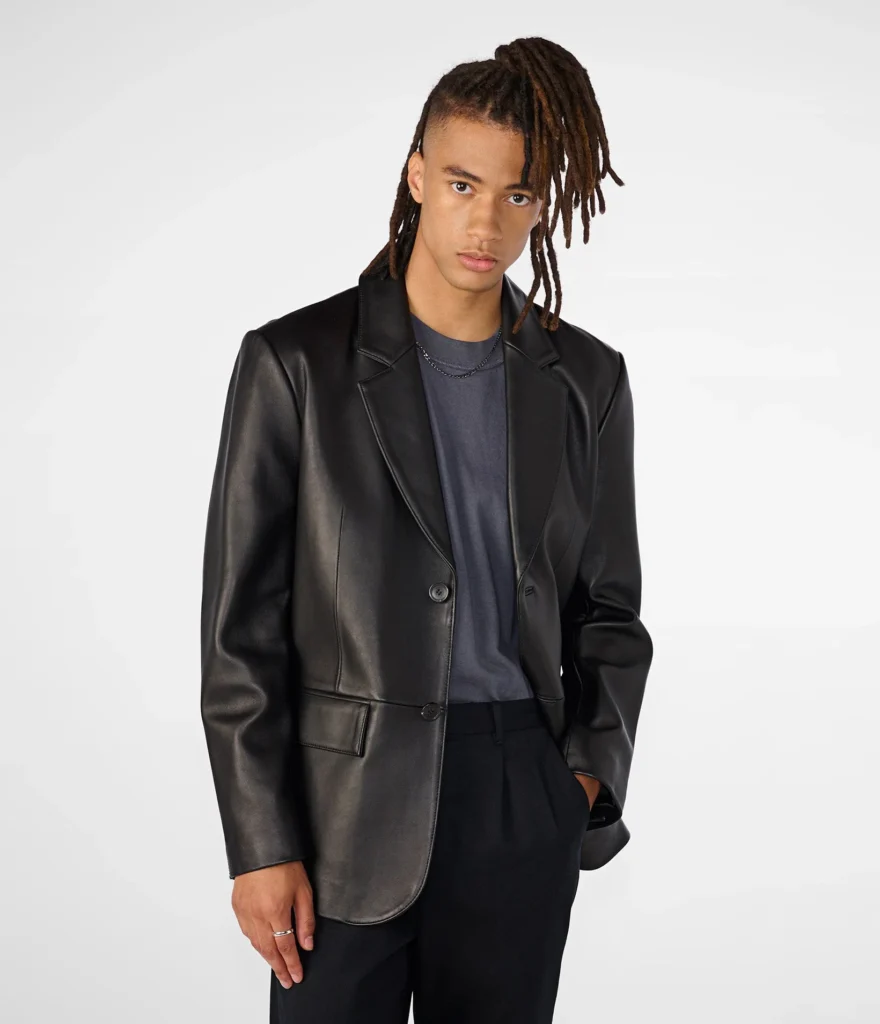
More tailored, with lapels and longer cuts—ideal for a business-casual or smart layering look.
Western, Utility & Shacket Styles
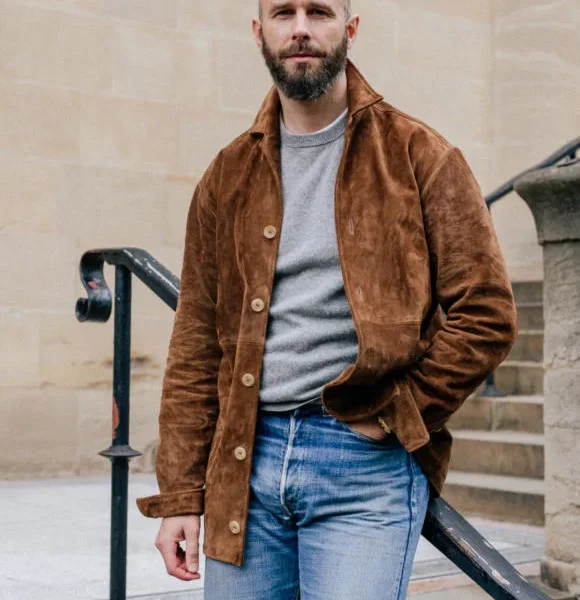
Think fringe, cargo pockets, or overshirts turned jacket—functional, rugged, or trend-driven silhouettes.
Trend Report for 2025
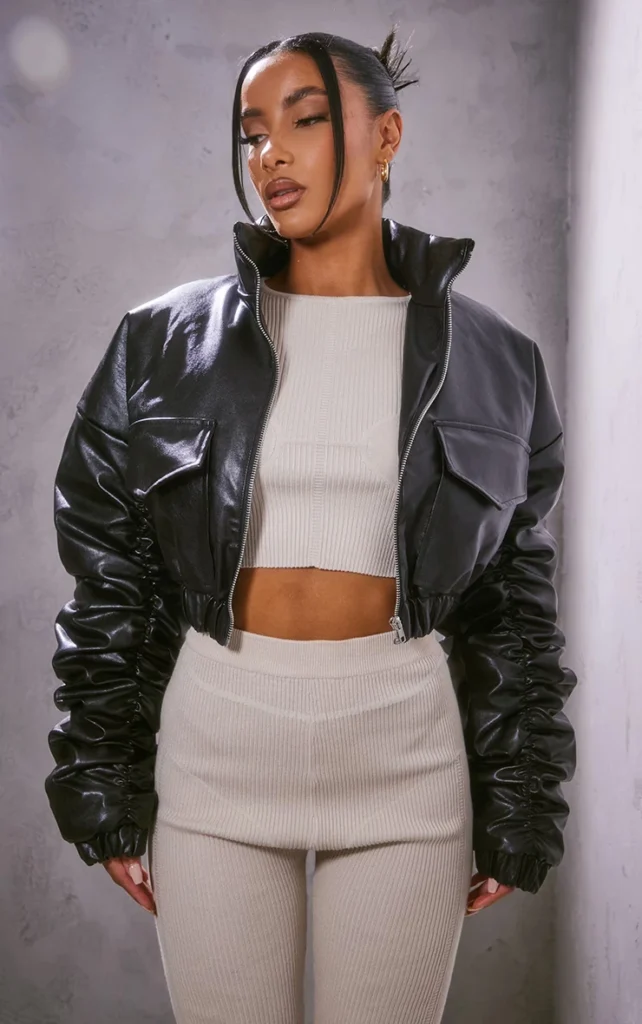
Expect a surge in structured yet elongated jackets, cropped bombers, cinch-waisted styles, and moody burgundy shades.
The Fit Factor — Comfort Meets Confidence
Why Fit Matters
A well-fitting jacket offers mobility, insulation, and a polished silhouette. Too loose looks sloppy; too tight restricts movement.
Key Areas to Check
- Shoulders: The seam should align with your natural shoulder line.
- Sleeve Length: Should hit your wrist bone and allow movement without bunching.
- Armholes: Higher-set armholes improve ease of movement.
- Torso Fit: Slight taper for structure, but still enough room to layer.
- Break-In Factor: Full-grain leathers may feel stiff initially but soften with wear.
Unlocking Quality — Materials & Construction
Leather Types to Seek
| Leather Type | Characteristics |
|---|---|
| Full-Grain | Strongest, most durable; develops patina over time. |
| Top-Grain | Thinner and smoother; still high quality. |
| Lambskin | Soft as silk; luxurious feel but less durable. |
| Goatskin | Balanced—softer than cowhide, more durable than lambskin. |
Check the Craftsmanship
- Stitching: Tight and even.
- Panels: Fewer seams indicate better quality hides.
- Hardware: Zippers and snaps should feel solid.
- Lining: High-end jackets often use silk or insulated linings.
Price vs. Value
Focus on materials and workmanship, not just price tags. Branding doesn’t always guarantee quality.
Practical Tips Before You Buy
- Define your style goals: classic vs. edgy?
- Stick with classics like biker, racer, or bomber for versatility.
- Test fit through natural movement.
- Touch and smell the leather—it should feel organic.
- Think about seasonality—medium weight for year-round, shearling for winter.
- Consider long-term value—quality jackets can last decades.
In Summary — Your Buying Checklist
- Style: Choose iconic silhouettes.
- Fit: Ensure comfort and layering space.
- Material: Opt for full-grain or top-grain.
- Construction: Inspect stitching, panels, hardware, lining.
- Value: Prioritize craftsmanship over brand name.
Final Thought
A superb leather jacket is an investment in style, comfort, and confidence. Choose with intention, care for it wisely, and it’ll become more than a jacket. It’ll be your story in leather.
Frequently Asked Questions
Which leather jacket style should I choose?
Pick a style that matches your wardrobe and use: biker for edgy looks, racer for minimal lines, bomber for relaxed warmth, and leather blazer for smart casual outfits.
How should a leather jacket fit?
Shoulder seams should align with your natural shoulders, sleeves end at the wrist bone, armholes sit slightly high for mobility, and the torso allows light layering without pulling.
What is the difference between full-grain and top-grain leather?
Full‑grain uses the strongest outer layer of the hide and develops a rich patina. Top‑grain is lightly sanded for a smoother look—thinner and lighter but still durable.
Which leather is softest for jackets?
Lambskin is the softest with a luxe handfeel. Goatskin balances softness and durability; cowhide is sturdier and breaks in with wear.
What should I check to judge jacket quality?
Check for tight, even stitching; fewer panel seams; solid hardware like zippers and snaps; and quality linings—often breathable sleeves and insulated body materials.
How do I choose the right size?
Measure chest and shoulders, compare with the size chart, and try on with a light layer. Raise your arms—there should be no pinching or excessive bunching.
Are leather jackets good for winter?
Yes—choose heavier hides or jackets with shearling or quilted lining. In mild climates, mid‑weight leather layered over knitwear works year‑round.
How much should I spend on a quality leather jacket?
Prices vary by leather and construction. Prioritize full‑grain or quality top‑grain, solid hardware, and strong stitching—quality beats branding at any price point.